Aviation English Training in the Balkans: What You Need to Know
11/3/20254 min read

Introduction
The aviation industry in the Balkans has witnessed remarkable growth over the past few years, positioning the region as a burgeoning hub for air travel and logistics. As new airlines emerge and existing ones expand their services, the demand for skilled aviation professionals has surged, especially those who are ICAO-certified. The International Civil Aviation Organization (ICAO) stipulates that strong communication skills, particularly in aviation English, are crucial for ensuring safety and efficiency in air operations. This growing emphasis on proficient language skills reflects the increasing complexity of international aviation interactions, making English the lingua franca of the skies.
Moreover, as the Balkan states continue to develop their aviation infrastructure, opportunities for aspiring pilots, air traffic controllers, and ground staff are on the rise. However, this growth is accompanied by unique challenges. The need for a well-trained workforce has never been more pressing, as existing professionals often struggle to meet the rising linguistic demands of their roles. Unfortunately, limited access to specialized aviation English training in some areas of the Balkans can hinder progress for individuals seeking to elevate their qualifications. Consequently, many are compelled to pursue training abroad, potentially limiting local talent availability.
Additionally, the aviation sector in this region is also grappling with the need to modernize training approaches and elevate professional standards. With the rapid globalization of the industry, professionals are not only expected to possess technical skills but also effective communication abilities to collaborate with colleagues from diverse backgrounds. This contributes to a dynamic, yet demanding, landscape for those aiming for a successful career in aviation. Therefore, mastering aviation English has become essential for ensuring that professionals can meet the challenges of this expanding industry head-on, providing a solid foundation as they navigate their paths forward.
The Balkans Aviation Landscape
The Balkans region, a pivotal crossroads of Europe, has seen significant growth in its aviation sector over the last decade. Major international airports such as Belgrade Nikola Tesla Airport in Serbia, Sofia Airport in Bulgaria, and Tirana International Airport in Albania, serve as vital hubs facilitating both passenger and freight transportation. These airports are steadily expanding their reach, having enhanced their infrastructure to accommodate the increasing number of flights, with new routes being added regularly to major European and global destinations.
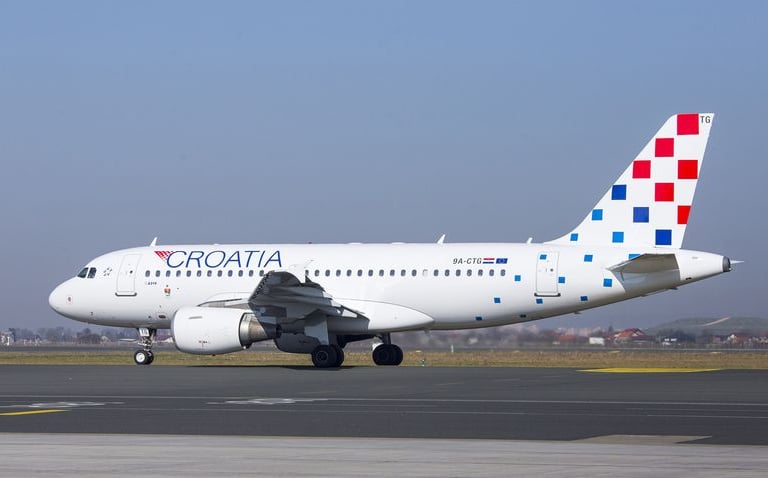
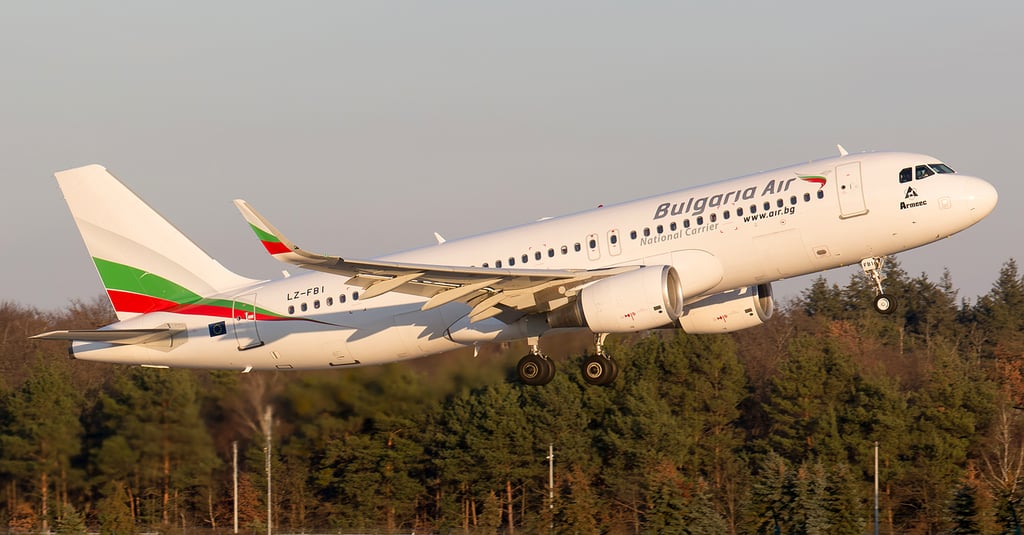
Airlines in the Balkans, including Air Serbia, Bulgaria Air, and Croatian Airlines, have been instrumental in promoting air travel within the region and beyond. Furthermore, the emergence of low-cost carriers has rendered air travel more accessible to the general public, thus contributing to a surge in passenger numbers and stimulating local economies. According to the International Air Transport Association (IATA), the Balkan aviation market is expected to witness double-digit growth over the next several years, attributing this expansion to increased demand for travel, both leisure and business.
With this growth in aviation, the demand for skilled professionals such as pilots and air traffic controllers (ATCs) is also on the rise. The need for qualified personnel is being driven by the increase in flight operations and the expansion of airlines. Statistics indicate that the requirement for pilots may reach thousands within the next decade, as airlines continue to replace retiring workforce and meet the demands of their growing fleets. Additionally, the region's growing international operations are enhancing connectivity amidst global travel networks, thereby fostering economic development. The integration of the regional aviation landscape into international frameworks positions the Balkans as an emerging aviation hub in Europe, attracting investment and enhancing opportunities for career advancement in aviation-related fields.
ICAO Requirements in Balkans Countries
The International Civil Aviation Organization (ICAO) establishes critical language proficiency requirements for aviation professionals, especially for pilots and air traffic controllers (ATCs). In the Balkans, countries must adhere to these ICAO standards to ensure that aviation personnel can communicate effectively in English. This is vital for maintaining safety and efficiency in air traffic operations. The ICAO specifies that aviation professionals must achieve at least a Level 4 proficiency in English, which covers both operational and standard phraseology usage. Levels beyond 4, such as Level 5 and Level 6, indicate higher competence and are highly regarded in employment situations.
Meeting these requirements is essential for certification and employment within the aviation sector in the Balkans. Airlines and aviation authorities often require proof of language proficiency prior to employment, making adherence to ICAO standards a prerequisite for career advancement. This focus on English language skills helps to streamline communication between international flight crews and air traffic control, thereby enhancing overall flight safety. The implications of not meeting these standards can be significant, ranging from job non-eligibility to hindering operational effectiveness.
To support aviation professionals in obtaining the necessary language proficiency, various training programs have been introduced across Balkans countries. Local flying schools and language academies offer courses tailored to meet ICAO requirements. These programs typically include intensive English language training that emphasizes aviation-related vocabulary and scenario-based communication exercises. Additionally, some institutions may offer language assessments to evaluate progression and readiness for certification exams. By engaging with these training resources, aspiring pilots and ATCs in the Balkans can ensure they meet the high standards set forth by ICAO, ultimately enhancing both their employability and operational competency in the field of aviation.
Training Opportunities and Resources
The availability of training opportunities and resources for aviation English in the Balkans has expanded significantly, reflecting the ever-growing need for proficient communication among aviation professionals. Numerous institutions within the region offer specialized courses designed to enhance aviation English skills tailored to the unique demands of the industry. These courses cater to various proficiency levels, from beginners to advanced practitioners, ensuring a comprehensive approach to learning.
Certification programs are another critical component of aviation English training. Organizations such as the International Civil Aviation Organization (ICAO) have developed standardized proficiency requirements for aviation personnel, making it imperative for candidates to achieve a specific level of English proficiency. Local flight schools and language institutes often offer ICAO-compliant programs, assisting aspiring pilots, air traffic controllers, and other aviation professionals in meeting these international standards.
In addition to formal courses, online resources play a crucial role in facilitating self-paced learning. Platforms such as specialized aviation English websites and educational apps provide interactive exercises, vocabulary enhancements, and simulated communication scenarios relevant to aviation contexts. These resources allow learners to practice their skills flexibly, accommodating individual schedules while addressing specific areas of improvement.
However, learners in the Balkans face challenges such as limited access to native English-speaking instructors and diverse educational backgrounds. To overcome these obstacles, it is essential to employ effective learning strategies, such as engaging in aviation-related discussions with peers, utilizing multimedia resources, and participating in workshops or seminars to maintain a continuous learning environment.
Experts recommend choosing a training path that aligns with one’s career aspirations, emphasizing the importance of accreditation when selecting programs. Investing time in developing aviation English proficiency not only opens doors to numerous career opportunities within the aviation sector but also ensures safety and efficiency in communication, a non-negotiable aspect of the industry.